In today’s fast-paced digital world, uninterrupted power supply is no longer a luxury—it’s a necessity. Power outages, voltage fluctuations, and sudden surges can cause data loss, hardware damage, and operational downtime. This is where an uninterruptible power supply (UPS) becomes an essential component for both businesses and households. Understanding the uninterruptible power supply benefits can help you safeguard your devices, maintain productivity, and protect your investments.
What is an Uninterruptible Power Supply?
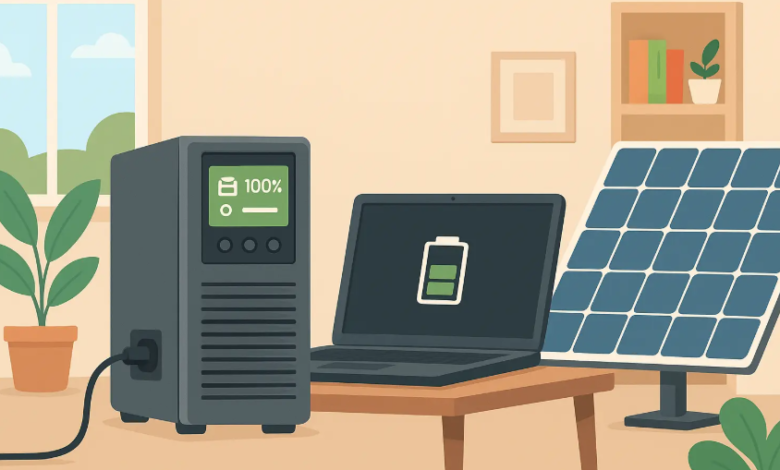
An uninterruptible power supply is an electrical device that provides emergency power to a load when the main power source fails. Unlike a traditional backup generator, a UPS delivers instant power without delay, ensuring critical equipment continues to operate seamlessly. UPS systems are commonly used for computers, servers, networking equipment, medical devices, and industrial machinery.
See also: How to Flip Homes for Profit: A Step-by-Step Guide
Key Uninterruptible Power Supply Benefits
1. Protection Against Power Outages
One of the most obvious benefits of a UPS is its ability to provide power during outages. A UPS instantly switches to battery power when the main supply fails, allowing users to continue working or safely shut down equipment. This prevents data loss, reduces downtime, and avoids potential financial losses.
2. Voltage Regulation and Surge Protection
Electrical systems often experience voltage fluctuations, spikes, or surges that can damage sensitive electronics. UPS systems act as a buffer, regulating incoming voltage to ensure a consistent power flow. By stabilizing voltage levels, a UPS prevents costly repairs and prolongs the lifespan of connected devices.
3. Data Protection
For businesses that rely heavily on computers and servers, data integrity is critical. Sudden power interruptions can corrupt files, interrupt transactions, or even result in permanent data loss. A UPS provides sufficient time to save work and safely shut down systems, offering peace of mind to IT professionals and business owners alike.
4. Continuous Business Operations
Downtime can have severe consequences for businesses, including lost revenue, decreased productivity, and reputational damage. With a UPS, operations can continue uninterrupted even during brief power disturbances. This is particularly important for industries such as finance, healthcare, and e-commerce, where continuous uptime is crucial.
5. Equipment Longevity
Frequent power fluctuations and surges can reduce the lifespan of electronic devices. A UPS minimizes exposure to these electrical inconsistencies, protecting hardware such as servers, routers, and computers. This investment in protection ultimately saves money by reducing repair and replacement costs.
6. Emergency Backup for Critical Systems
Certain environments require continuous operation for safety or compliance reasons. Hospitals, data centers, and manufacturing plants rely on UPS systems to maintain critical functions during power failures. From life-support machines to automated production lines, a UPS ensures essential systems remain operational.
7. Peace of Mind
Finally, a UPS offers reassurance. Knowing that your devices and data are protected from unexpected power disruptions reduces stress for IT staff, business owners, and home users. This peace of mind allows for focus on core activities without worrying about unforeseen electrical issues.
FAQs About Uninterruptible Power Supply Benefits
Q1. How long can a UPS provide backup power?
The backup duration depends on the UPS capacity and connected load. Smaller UPS units may provide 5–30 minutes of backup, sufficient for safe shutdowns, while larger systems can support extended operations for hours.
Q2. Can a UPS replace a generator?
Not entirely. While a UPS provides instant power during outages, it is designed for short-term use. Generators are suitable for longer-term power supply, but the UPS ensures critical devices remain operational until the generator starts.
Q3. What types of UPS systems are available?
There are three main types: offline (standby), line-interactive, and online (double-conversion) UPS. Each type offers different levels of protection, voltage regulation, and response time to power disruptions.
Q4. Are UPS systems only for businesses?
No. While businesses benefit greatly, home users can also use UPS systems to protect computers, home entertainment systems, and smart devices from outages and surges.
Q5. How often should UPS batteries be replaced?
UPS batteries typically last 3–5 years, depending on usage and environmental conditions. Regular maintenance and monitoring help ensure reliable performance.
Conclusion
The uninterruptible power supply benefits extend far beyond simple backup power. From protecting sensitive data and extending the life of electronic equipment to ensuring uninterrupted business operations, a UPS is an essential investment in today’s technology-driven world. Whether for home use or critical enterprise systems, a UPS provides security, reliability, and peace of mind, making it a cornerstone of any modern electrical setup.